Vintage Retro Digital Papers: A Timeless Design Resource for Creative Projects
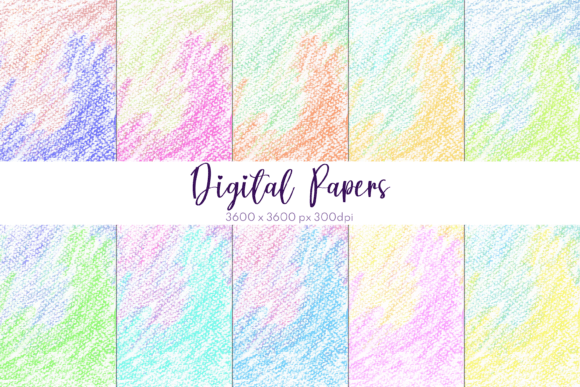
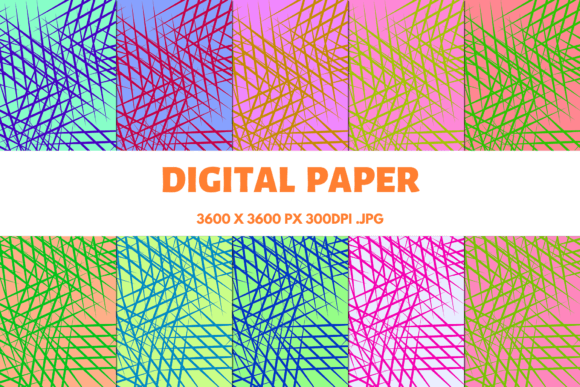
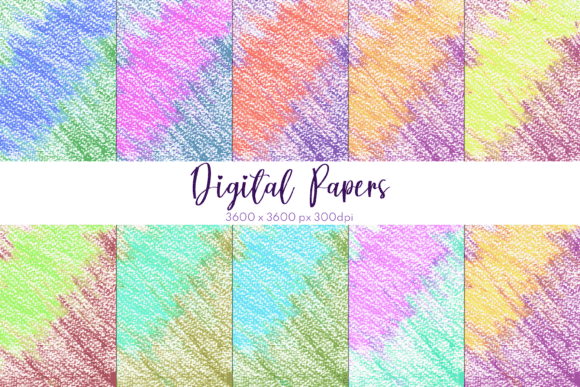
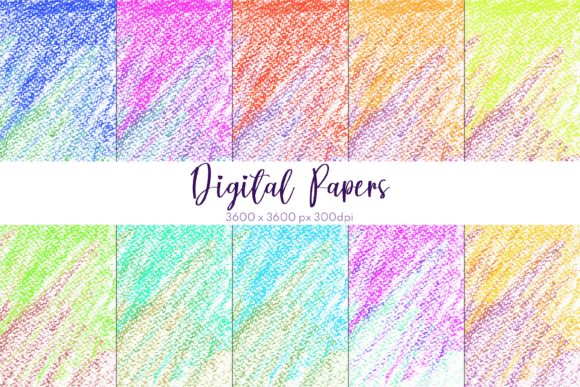
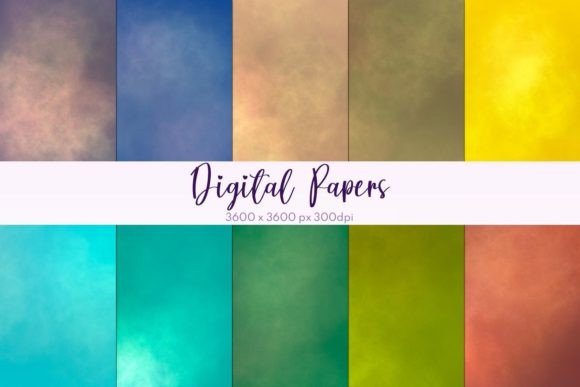
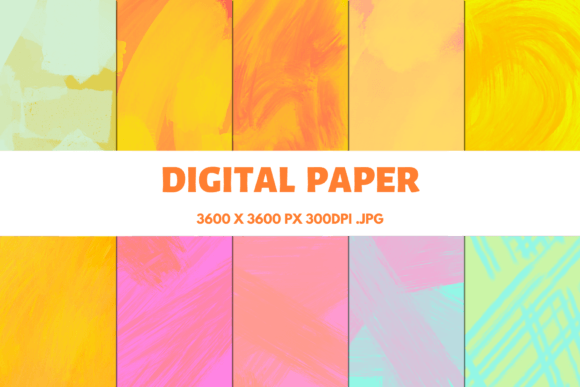
Whether you're designing a logo, creating social media graphics, or preparing product packaging, Vintage Retro Digital Papers offer a unique and versatile way to add character to your work. These high-resolution digital paper files are crafted with the charm of bygone eras, making them ideal for creators who want to evoke nostalgia while maintaining modern quality. With 10 JPG digital papers at 300 DPI and dimensions of 3600×3600 pixels (12×12 inches), these files are ready for use across a wide range of applications, from sublimation and printed paper to T-shirts, mugs, and more.
Understanding Vintage Retro Digital Papers
Vintage Retro Digital Papers are digital assets that mimic the aesthetics of classic design styles, such as those found in mid-century advertisements, old-timey postcards, and retro typography. They come in various patterns, textures, and color schemes, allowing designers to blend historical appeal with contemporary needs. These papers are not just for scrapbooking; they can be used creatively in branding, marketing, and even personal projects like custom phone cases or home decor.
One common mistake is assuming that all vintage-style designs are interchangeable. In reality, each pattern has its own personality and context. For example, a floral print may suit a tea shop brand perfectly but could clash with a tech startup’s minimalist theme. It's important to consider the project's overall tone before selecting a paper.
Common Mistakes When Choosing Vintage Retro Digital Papers
Selecting the right digital paper is crucial, yet many creators overlook key details that affect the final outcome. Here are some frequent errors and how to avoid them:
- Ignoring resolution and size requirements: While the provided papers are already 300 DPI and large enough for most uses, it's essential to confirm that they meet the specifications of your intended application. For instance, using a low-resolution image for sublimation printing can result in blurry or pixelated prints.
- Overlooking file formats: Although JPG is widely compatible, other formats like PNG might be necessary if transparency is required. Always check what format works best for your software or printer.
- Misusing scale and orientation: Some vintage papers are designed for specific layouts. Stretching or resizing them improperly can distort the design and reduce visual appeal. Use vector-based tools when scaling to maintain clarity.
- Not considering color compatibility: The colors in vintage papers often have muted tones or faded effects. If you're overlaying text or images on top, ensure there's enough contrast to keep everything readable and visually balanced.
How to Use Vintage Retro Digital Papers Effectively
Using these digital papers effectively requires understanding their purpose and limitations. Let's explore some practical tips:
For sublimation, make sure the paper is printed on heat-transfer paper and set to the correct temperature and time. A poorly applied design can lead to fading or uneven coverage. Always test a small area first before proceeding with a full print.
If you're designing business cards or invitations, consider the texture of the paper. A rough or grainy vintage paper can give a tactile feel, which is great for physical products but less suitable for digital-only use. Choose a smooth finish if you're working solely on screens.
When applying these papers to product packaging, think about the material. A glossy paper might reflect light too much for certain surfaces, whereas matte finishes can provide a more subdued look. Test different materials to see which one complements the design best.
What to Check Before Using Vintage Retro Digital Papers
Before diving into your project, take a moment to review these important factors:
- License agreement: Ensure that the digital papers you purchase include the right to use them for your intended purpose. Some licenses restrict commercial use or require attribution.
- File integrity: Download the files and inspect them for any corruption or missing elements. A single damaged file can ruin an entire project.
- Software compatibility: Not all design programs handle high-resolution files equally. If you're using Adobe Photoshop or Illustrator, verify that the software can process large JPGs without lag or crashes.
- Printing capabilities: If you plan to print the papers, check with your printer or local service provider to confirm that they can handle the file size and resolution.
Realistic Examples and Better Approaches
Let's say you're designing a social media banner using one of these vintage papers. Instead of simply placing the paper behind your text, try layering it with subtle gradients or overlays to enhance depth. This approach ensures that the vintage feel doesn't overpower the message you're trying to convey.
If you're creating T-shirt designs, consider how the paper will look when printed on fabric. A paper with a lot of detail might appear too busy when stretched over a curved surface. Opt for simpler, more repeatable patterns that work well in both small and large formats.
Another scenario involves book covers. A highly textured vintage paper can create an elegant, aged appearance, but it should be used sparingly. Too much texture can make the cover difficult to read or scan in digital formats.
By carefully selecting and applying Vintage Retro Digital Papers, you can elevate your creative projects with a touch of timeless style. Whether you're a beginner or an experienced designer, taking the time to understand these resources will help you achieve better results and avoid common pitfalls along the way.