Morganite Color Gradients: Elevating Your Creative Projects with Modern Design
Morganite Color Gradients are a powerful tool for designers, creators, and professionals looking to enhance the visual appeal of their digital and physical projects. These gradients are specifically crafted to offer a seamless blend of colors that reflect the elegance and versatility of morganite gemstones. Whether you're working on branding materials, social media content, or digital art, Morganite Color Gradients provide a modern aesthetic that can transform your work from ordinary to extraordinary.
Understanding Morganite Color Gradients
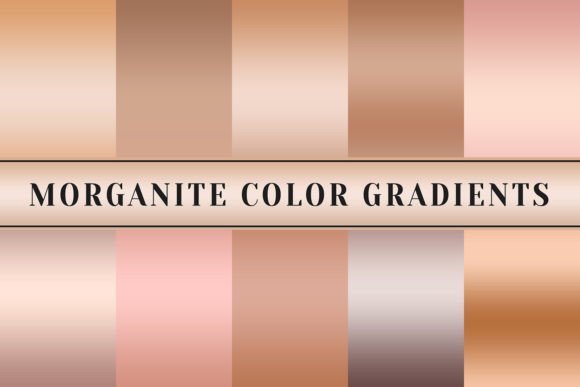
Morganite is known for its soft pink hues, ranging from pale lavender to deep rose tones. The Morganite Color Gradients capture this natural beauty through a series of color transitions that mimic the gemstone’s unique characteristics. These gradients are designed in GRD format, which is compatible with Adobe Photoshop CC or higher, making them easy to integrate into your design workflow.
The premium quality of these gradients ensures that they maintain clarity and vibrancy even when scaled up or down. This makes them ideal for use in a wide range of applications, including graphics, Canva backgrounds, text overlays, business cards, branding materials, product designs, websites, social media posts, banners, posters, backgrounds, quotes, crafts, weddings, digital projects, paper crafts, party invitations, digital scrapbooking, photography album backgrounds, and all other creative endeavors.
How to Use Morganite Color Gradients in Your Workflow
Incorporating Morganite Color Gradients into your design process can be done at various stages—before, during, or after a project. Understanding how these gradients interact with your existing tools and resources will help you make the most out of their potential.
Before Starting a Project
Before diving into a new project, consider using Morganite Color Gradients as a foundational element. They can serve as a mood board or inspiration source, helping you visualize the overall look and feel of your design. By selecting the right gradient, you can set the tone for your project and ensure consistency across all elements.
For example, if you're designing a wedding invitation, choosing a soft pink gradient can evoke a sense of romance and elegance. This early integration allows you to align your color choices with the theme and purpose of your project.
During the Design Process
Once you've started working on your project, Morganite Color Gradients can be used as background elements or overlays. Their compatibility with Adobe Photoshop means you can easily apply them to layers, adjust transparency, and blend them with other design elements.
If you're creating a website banner, applying a Morganite gradient as a background can add depth and dimension to your layout. You can also use these gradients as text overlays to highlight important information or call-to-action buttons. The key is to experiment with different layer styles and blending modes to achieve the desired effect.
After Completing a Project
Even after completing a project, Morganite Color Gradients can play a role in refining and enhancing your final output. They can be used to create subtle effects such as shadows, highlights, or borders that add visual interest without overpowering the main content.
For instance, when designing a business card, adding a faint Morganite gradient to the edges can give it a polished and professional look. Similarly, incorporating these gradients into digital scrapbooking pages can elevate the overall presentation and make it more engaging.
Integration with Other Tools and Resources
Morganite Color Gradients are not only compatible with Adobe Photoshop but also work well with other design platforms such as Canva, Illustrator, and even online graphic editors. This versatility allows you to use them across multiple formats and mediums, ensuring that your designs remain consistent and cohesive.
When working with Canva, for example, you can import the GRD file and apply it as a background or overlay within your design canvas. This makes it easy to create visually appealing content without needing advanced design skills. Additionally, these gradients can be exported in various formats, allowing you to use them in print or digital projects seamlessly.
For those who prefer working with vector-based software like Illustrator, the GRD format can be converted into SVG or PNG files, which can then be used as assets in your vector projects. This flexibility ensures that Morganite Color Gradients can be adapted to fit any design requirement.
Practical Implementation Tips
To get the most out of Morganite Color Gradients, it's essential to understand how they can be implemented effectively in your workflow. Here are some practical tips to help you integrate these gradients smoothly into your projects:
- Experiment with Layer Styles: Try using different layer styles such as blending modes, opacity settings, and layer masks to achieve unique effects. This can help you create dynamic visuals that stand out.
- Use as Backgrounds: Apply Morganite gradients as backgrounds for websites, presentations, or social media posts. This can add a touch of sophistication and professionalism to your designs.
- Create Text Overlays: Use these gradients as text overlays to highlight key messages or call-to-action buttons. This can draw attention to important information and improve user engagement.
- Combine with Other Assets: Pair Morganite gradients with other design elements such as icons, illustrations, and photographs to create a balanced and visually appealing composition.
- Ensure Consistency: Maintain consistency in your color palette by using Morganite gradients as a base and building around them. This helps create a cohesive look across all your projects.
Factors to Consider for Long-Term Use
When integrating Morganite Color Gradients into your long-term workflow, there are several factors to consider. These include preparation, compatibility, usability, organization, efficiency, consistency, quality control, and long-term use.
Preparation involves understanding the specific needs of your project and selecting the right gradient that aligns with your goals. Compatibility ensures that the gradients work well with your chosen design tools and platforms. Usability refers to how easy it is to apply and manipulate the gradients within your workflow.
Organization is crucial for managing your design assets effectively. Keeping your gradients organized in folders or libraries can help you access them quickly when needed. Efficiency relates to how much time and effort it takes to implement the gradients into your projects. Consistency ensures that your designs remain uniform across different platforms and mediums.
Quality control involves checking that the gradients maintain their clarity and vibrancy when used in various contexts. Finally, long-term use requires considering how these gradients can be reused or adapted for future projects, ensuring that they remain a valuable asset in your creative toolkit.
By taking these factors into account, you can ensure that Morganite Color Gradients become an integral part of your design process, helping you create stunning visuals that stand out in today's competitive market.